On September 22, 2025, the 69th ceremony for the “Ballon d’Or” will take place. The official event will be held at the Châtelet Theater in Paris.
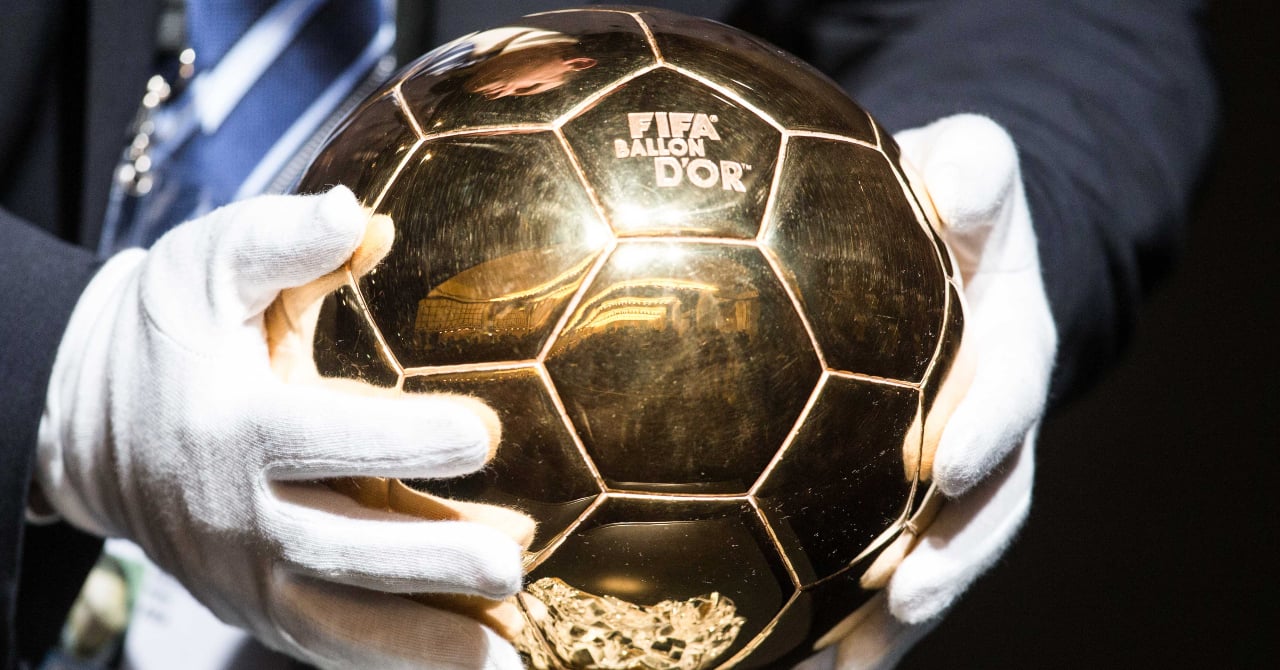
The list of nominees competing for the award is already known. Football fans are also interested in the award itself: its weight, what it is made of, and how much it actually costs, writes “24 Channel”.
How much does the “Ballon d’Or” weigh and cost?
Many people believe that the award itself is made of gold. However, this is far from the truth. The golden ball is primarily made of a copper-zinc alloy, which gives the award its shine.
On average, the weight of such an award is seven kilograms. Producing this golden ball takes about six months and 100 hours.
If the “Ballon d’Or” is not made of gold, then how much does it cost? The production cost of the award is 3,000 euros.
Who is nominated for the “Ballon d’Or 2025”?
A total of 30 footballers are competing for this coveted award. The highest representation comes from the winners of the 2024/2025 Champions League, French PSG, with 8 players.
Nominations for the “Ballon d’Or 2025”:
Nuno Mendes, Achraf Hakimi, João Neves, Fabián Ruiz, Vitinha, Khvicha Kvaratskhelia, Ousmane Dembélé, Désiré Doué (all from PSG), Alexis Mac Allister, Mohamed Salah, Virgil van Dijk, Florian Wirtz (all from Liverpool), Pedri, Raphinha, Lamine Yamal, Robert Lewandowski (all from Barcelona), Jude Bellingham, Kylian Mbappé, Vinícius Júnior (all from Real), Viktor Gyökeres, Declan Rice (both from Arsenal), Harry Kane, Michael Olise (both from Bayern), Denzel Dumfries, Lautaro Martínez (both from Inter), Serou Guirassy (Borussia Dortmund), Gianluigi Donnarumma, Erling Haaland (both from Manchester City), Cole Palmer (Chelsea), and Scott McTominay (Napoli).
- The record holder for the number of awards is Argentine Lionel Messi.
- In total, 46 players have won the “Ballon d’Or”.
- According to Goal.com, the favorite to win is PSG winger Ousmane Dembélé.
It is worth noting that Ukrainians have triumphed three times in the fight for the “Ballon d’Or”: Oleg Blokhin (1975), Igor Belanov (1986), and Andriy Shevchenko (2004).